




The liner (also called the guide tube or conduit liner) inside your MIG torch is the unsung hero of smooth wire feeding. When mismatched, dirty, damaged, or too short, it creates resistance, causes bird-nesting, erratic arcs, and premature wear on other consumables. In WeldSafe Essentials #11, we explain how to select, install, and maintain the right liner for your welding wire type and diameter—simple steps that dramatically improve feed reliability and reduce downtime.
Why Liner Matching Matters
The liner guides the wire from the feeder through the torch neck to the contact tip. Problems arise when:
- Too narrow or clogged with dust/debris → Increased friction → Wire stubbing, inconsistent speed, motor strain
- Too wide → Poor wire support → Wobbling, wandering arc, spatter increase
- Too short → Wire unsupported in bends → Kinking or jamming
- Damaged thermoplastic liner or worn seals → Wire scraping, shavings buildup, contamination
A properly matched liner reduces feeding resistance to near zero, extends contact tip life, and delivers consistent welds.
Here are some real-world examples of MIG torch liners in action:
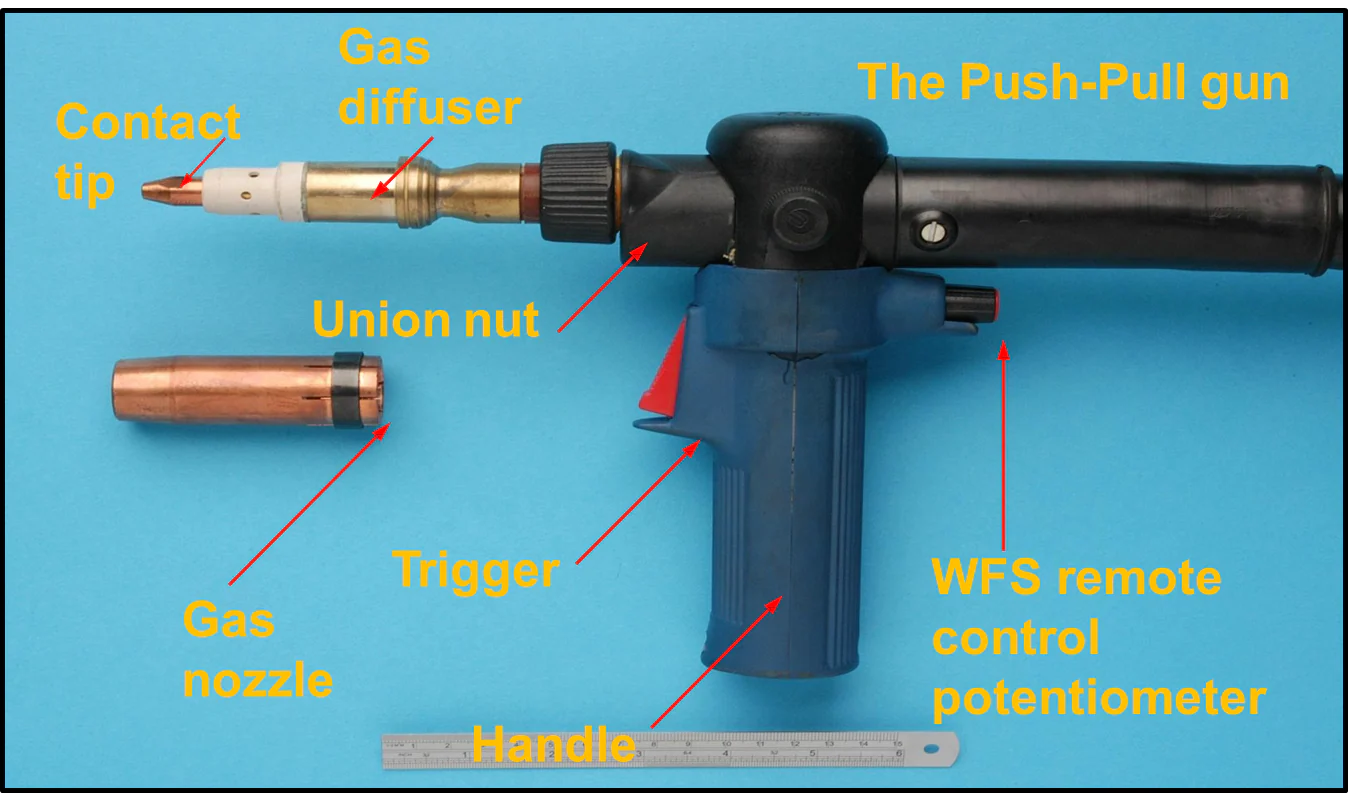
How to Choose the Right Liner
Always match the liner to wire type (solid, flux-cored, aluminum) and diameter:
- Standard steel solid wire (0.8–1.2 mm): Steel or nylon liner
- Aluminum/soft wires: Teflon (PTFE) or polymer liner (prevents scratching)
- Flux-cored: Larger steel liner or special heavy-duty
- Hole diameter guideline (typical):
- 0.6–0.8 mm wire → 1.2–1.5 mm ID liner
- 1.0–1.2 mm wire → 1.6–2.0 mm ID liner
- 1.6 mm wire → 2.4–3.0 mm ID liner
Pro Tip: Check your torch manual or manufacturer charts for exact recommendations. When in doubt, choose the liner specified for your wire size.
Common Issues and Fixes
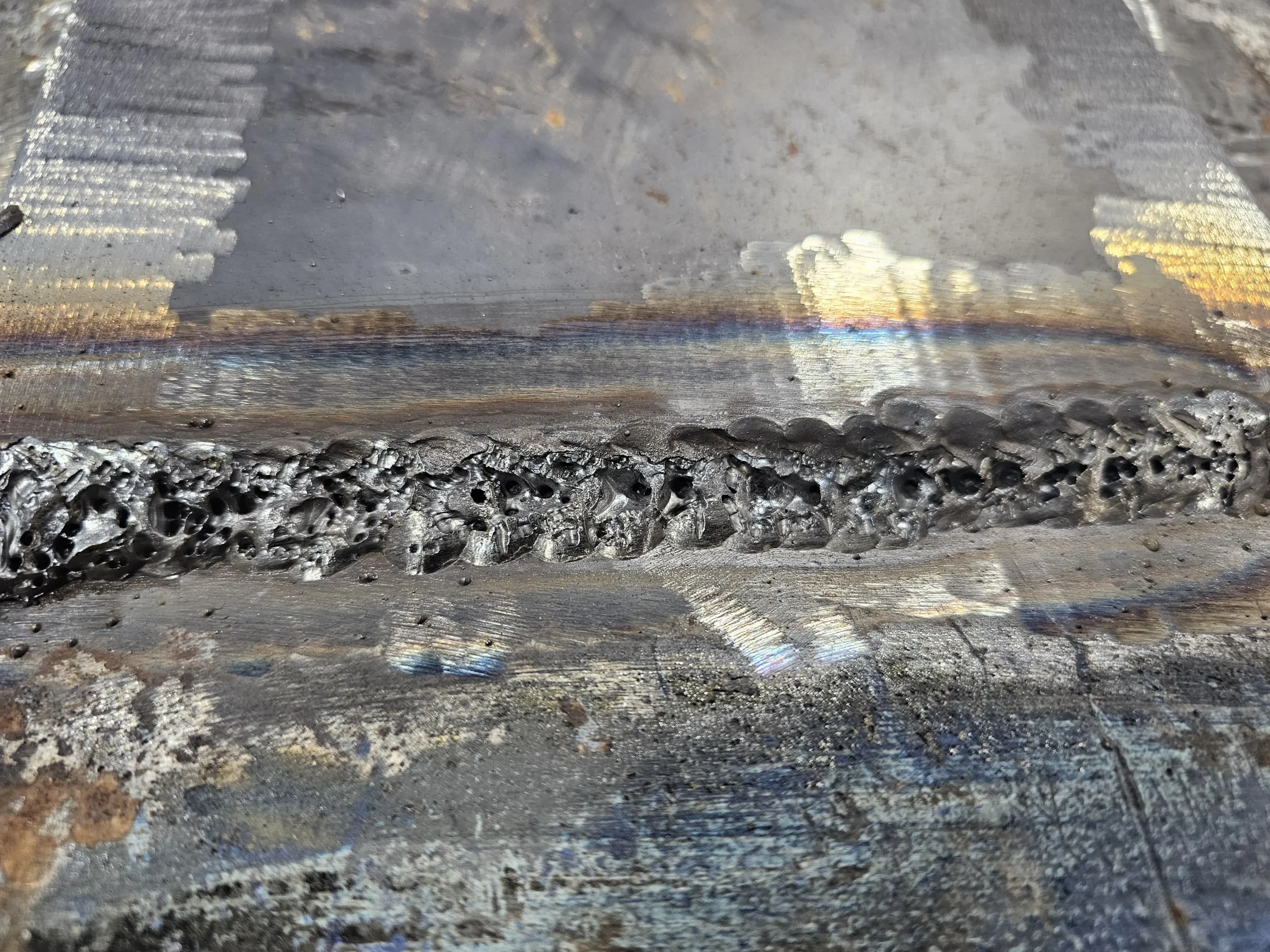
A dirty or worn liner can look like this—notice the buildup and wear:
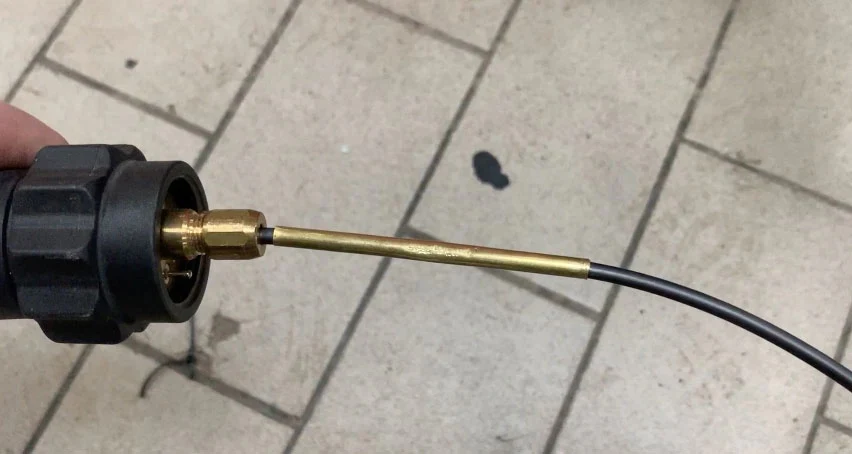
And here's a proper installation example:
Maintenance Best Practices
- Inspect liner every shift: Pull wire back and check for kinks or debris.
- Clean regularly: Blow compressed air through the liner (power off, wire removed).
- Replace when:
- Resistance increases noticeably
- Visible wear, cracks, or melting
- After 3–6 months heavy use (or sooner with aluminum)
- Install correctly: Trim liner to exact length (flush with contact tip holder), secure with proper fittings, no sharp bends.
Conclusion: Match It Right for Smooth Feeding
A liner that matches your wire type and diameter, kept clean and undamaged, is one of the cheapest ways to boost welding consistency and reduce frustration. Never compromise—wrong size or neglected maintenance turns a simple job into hours of troubleshooting.